
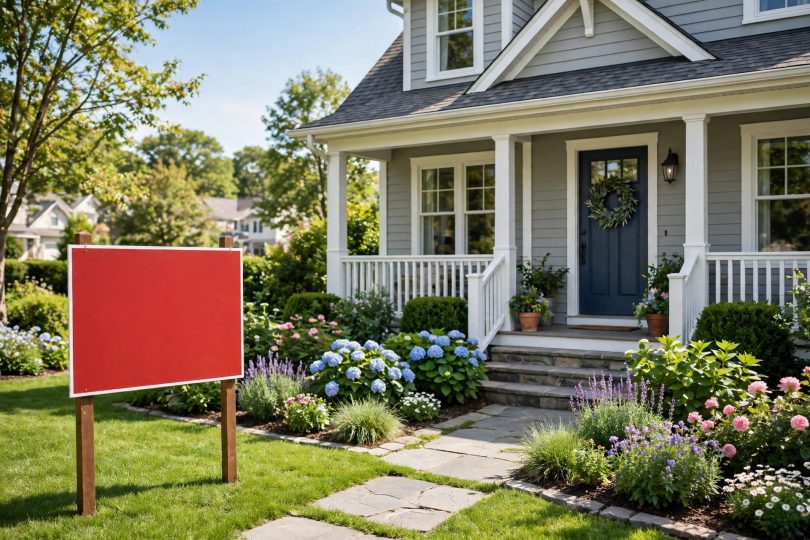

Learning how to sell a house is about more than putting a sign outside. The home selling process has a clear order — prepare, price, list, show, negotiate and close — and sellers who follow it usually sell faster and with fewer surprises.
This guide walks you through the steps to selling a house, from getting your home ready to the final closing costs for sellers. Whether your home is a new construction vs existing homes comparison in a buyer’s mind or a long-loved family home, the same fundamentals apply. This is general information, not financial or legal advice — always confirm local rules, taxes and contract terms with a qualified professional in your area.
Step 1: Decide When and Why You Are Selling
Before you list, be clear about your reason and timeline:
- Why are you selling, and what is your ideal moving date?
- Do you need to buy another home at the same time?
- What is your minimum acceptable price, after costs?
- Are you prepared for viewings, inspections and negotiations?
A clear timeline helps your agent plan pricing, marketing and showing schedules realistically.
Step 2: Prepare Your Home for Sale
Preparing a house for sale is one of the highest-return steps in the whole process. Focus on what buyers notice first:
- Declutter every room and remove personal items
- Deep clean, including kitchens, bathrooms, windows and floors
- Fix obvious defects: dripping taps, cracked tiles, sticking doors and scuffed paint
- Improve kerb appeal: tidy garden, clean entrance and fresh exterior paint if needed
- Make small, neutral updates rather than expensive, taste-specific renovations
You do not need a full renovation. Clean, bright, neutral and well-maintained usually sells better than bold and unfinished.
Step 3: Price Your Home Realistically
Pricing is where many sales succeed or stall. A price that is too high leads to few viewings and later price cuts. A price that is too low leaves money on the table.
Ask your agent for comparable recent sales of similar homes in your area, and consider:
- Size, condition, age and layout compared with those sales
- Current demand, interest rates and time on market locally
- Any unique features or drawbacks of your home
- Your timeline and whether you need a fast sale
Set a price based on evidence, then review it honestly if viewings are low after the first few weeks.
Step 4: List and Market Your Home
A strong listing helps buyers find and fall for your home before they even visit:
- Professional photos in good light, showing rooms at their best
- An honest, clear description highlighting layout, location and key features
- Floor plans and, where available, a virtual tour
- Listing on the main property portals and your agent’s channels
- Clear viewing times and a simple way to book them
Make sure the listing is accurate. Surprises during viewings — a smaller room than photographed, or a noisy road not mentioned — waste everyone’s time.
Step 5: Showings and Offers
During showings, keep your home clean, bright and easy to view. Be ready for feedback, even when it is blunt — it often points to a fixable issue or a pricing signal.
When offers arrive, compare more than the headline price:
- Offer price and deposit amount
- Buyer financing: pre-approved, cash, or dependent on selling another home
- Proposed closing date and any conditions
- Requests for repairs, inclusions or closing-cost help
A slightly lower offer with secure financing and a clean timeline can be better than a higher offer that falls through.
Step 6: Negotiation and Inspection
Negotiation is normal. Expect counter-offers on price, repairs and timelines, and keep your minimum price and deal-breakers in mind.
After an offer is accepted, the buyer will usually arrange an inspection. This is why preparation matters: buyers ask the same questions to ask before buying a house, and inspection findings often become negotiation points. Be ready to:
- Provide records of repairs, warranties and maintenance
- Consider reasonable repair requests or price adjustments
- Keep communication through your agent, in writing
Staying calm and factual during this stage protects the sale far better than taking inspection findings personally.
Step 7: Closing Costs for Sellers
Seller closing costs vary by location and contract, but commonly include:
- Agent commission, as agreed in your listing contract
- Legal or conveyancing fees
- Outstanding mortgage payoff and any early-repayment charges
- Taxes, transfer fees and recording fees
- Agreed repair costs or buyer credits
Ask your agent and legal adviser for a net-proceeds estimate before closing, so the final figure holds no surprises. Confirm the final closing statement line by line before you sign.
Common Selling Mistakes to Avoid
- Overpricing based on emotion or what a neighbour once asked
- Skipping preparation and listing a cluttered, unclean home
- Hiding known defects that inspection will find anyway
- Rejecting a good offer while waiting for a perfect one
- Forgetting closing costs when calculating your proceeds
Selling well is mostly preparation, realistic pricing and honest presentation.
Frequently Asked Questions
How long does it take to sell a house?
It varies by price, condition, location and market demand. Well-priced, well-prepared homes in active markets often sell faster, while overpriced homes can sit for months.
Should I renovate before selling?
Usually, focus on cleaning, repairs and neutral presentation rather than major renovations. Large projects rarely return their full cost at sale, unless they fix a clear defect.
What are closing costs for sellers?
Commonly agent commission, legal fees, mortgage payoff, taxes and transfer fees, plus any agreed repairs or credits. Your agent and adviser can estimate your net proceeds.
Can I sell a house without an agent?
Yes, in many places, but you will need to handle pricing, marketing, viewings, negotiation, paperwork and legal compliance yourself. Weigh the commission saving against that workload and risk.
What happens if inspection finds problems?
The buyer may ask for repairs, a price reduction or a credit, or may withdraw under the contract terms. Providing maintenance records and responding reasonably usually keeps the sale alive.
Final Thoughts
How to sell a house comes down to a simple sequence: prepare honestly, price on evidence, list well, show clearly, negotiate calmly and close carefully.
Follow those steps, keep your documents and repair records ready, and you give your home its best chance of a smooth, successful sale. For more straightforward help, explore our property and investment guide. Explore more Residential Properties articles.




[…] works, so you can attract serious buyers without underselling. Use it alongside our guide on how to sell a house, which covers the full selling sequence. This is general information, not financial or legal advice […]