
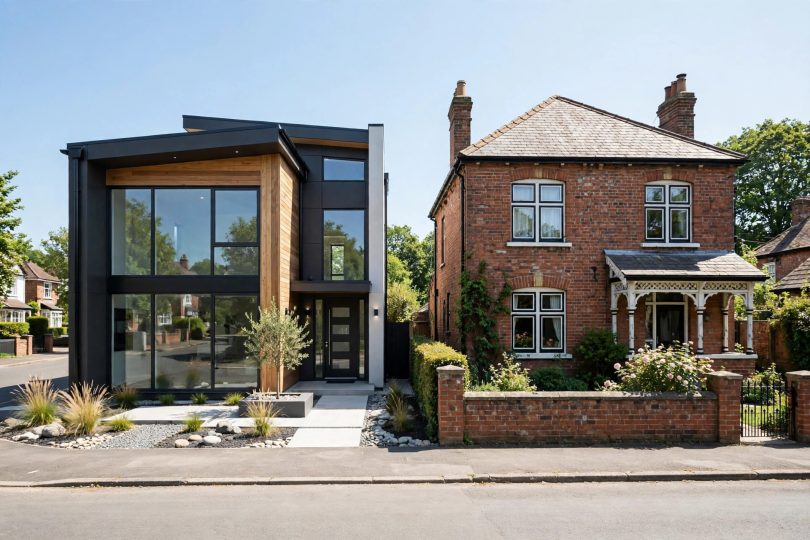

Choosing between new construction vs existing homes is one of the biggest decisions in buying a home. A new build offers modern design and warranties, while an existing home often offers character, an established neighbourhood and a lower upfront price. Neither choice is right for everyone — the best choice depends on your budget, timeline and tolerance for maintenance.
This comparison explains the pros and cons of new construction, the pros and cons of buying an older house, and the questions that help you decide. Use it with your first time home buyer guide and your home buying checklist to compare homes fairly, not just on looks. This is general information, not financial or legal advice — always confirm builder warranties, local rules and costs with a qualified professional in your area.
What Is a New Construction Home?
A new construction home, also called a new build, is a home built recently or still under construction, often in a new development. It may be a completed home ready to move into, or a home you buy off-plan and customise before it is finished.
New builds usually come with modern layouts, energy-efficient systems and builder warranties, but they can also come with higher prices, smaller plots in some developments, and a neighbourhood that is still being built around you.
What Is an Existing Home?
An existing home, also called a resale home, is a home that has been lived in before. It may be a few years old or several decades old, and its condition depends entirely on how previous owners maintained it.
Existing homes often offer established streets, mature gardens, larger plots and more room to negotiate on price. They can also bring older systems, hidden repairs and higher ongoing maintenance.
New Construction: Pros
- Modern design, layouts and energy-efficient heating, insulation and appliances
- Builder warranties that may cover structure and major systems for a set period
- Less immediate maintenance and fewer surprise repairs in the first years
- Smart-home features, modern wiring and current safety standards
- Option to choose finishes, colours and upgrades in some developments
For buyers who want a low-maintenance start and a predictable first few years, these are strong advantages.
New Construction: Cons
- Higher purchase price per square foot in many areas
- Smaller plots or less outdoor space in some new developments
- Possible construction delays if buying off-plan
- New neighbourhoods may lack mature trees, established shops and community feel
- Upgrades, landscaping and finishing costs can push the total price well above the base price
Always ask what is actually included in the advertised price, and what counts as an extra upgrade.
Existing Homes: Pros
- Established neighbourhoods with shops, schools, transport and community
- Often larger plots, mature gardens and more character
- More room to negotiate, especially if a home has been on the market a while
- You can see exactly what you are buying — no off-plan surprises
- Renovation potential: you can improve value over time with targeted upgrades
For buyers who value location and character over brand-new finishes, an existing home often offers better value.
Existing Homes: Cons
- Older roofs, plumbing, heating and electrical systems may need replacement
- Higher maintenance and repair costs, especially in the first years
- Less energy-efficient in many cases, leading to higher utility bills
- Layouts may feel dated, with smaller kitchens, bathrooms or storage
- Hidden problems may only appear during inspection — or after you move in
A thorough inspection is essential. Never skip it on an older home to win a bidding war unless you fully understand the risk.
Cost Comparison: New Build vs Resale Home
Costs go beyond the purchase price. Compare both options on:
- Purchase price and closing costs
- Immediate repairs or upgrades needed
- Energy bills and insulation quality
- Maintenance in the first five years
- Resale value in the local market
A cheaper resale home can become expensive if it needs a new roof and heating system. A pricier new build can become good value if it needs almost nothing for years. Compare total cost over five years, not just the price on day one.
Questions to Ask Before You Decide
Whether you lean new or existing, ask these questions to ask before buying a house in either case:
- What warranties, if any, come with this home, and what do they actually cover?
- How old are the major systems, and when will they likely need replacement?
- What are the average utility and maintenance costs for this home?
- How has this type of home held its value in this area?
- What developments, road works or zoning changes are planned nearby?
- How long do you plan to live here, and does that favour new or existing?
Your answers will usually point clearly in one direction.
For a full process overview, see how to buy a house step by step.
Which Should You Choose?
Choose new construction if you prioritise low maintenance, modern efficiency, warranties and a predictable start, and you can afford the premium and any upgrade costs.
Choose an existing home if you prioritise location, character, plot size and negotiation room, and you are prepared for inspection, possible repairs and ongoing maintenance.
There is no universally better option — only a better fit for your budget, timeline and lifestyle.
Frequently Asked Questions
Is a new build home always more expensive?
Not always, but new builds often cost more upfront. Compare total five-year costs, including repairs, energy bills and upgrades, before deciding.
Do new construction homes need an inspection?
Yes. New does not mean fault-free. An independent inspection can catch construction defects, unfinished work and warranty issues before you close.
Is buying an older house risky?
It can be, without inspection. With a thorough inspection, a realistic repair budget and a fair price, an older home can be an excellent purchase.
Which holds value better, new or existing?
It depends on location, condition and local demand. Established areas with good schools and transport tend to hold value well for both, while poorly located new developments can struggle.
Can I negotiate on a new build?
Sometimes, especially on completed homes or slow-selling developments. Ask about included upgrades, closing-cost help or price flexibility, rather than assuming the price is fixed.
Final Thoughts
New construction vs existing homes is not a contest between good and bad — it is a trade-off between modern convenience and established value. Weigh the pros and cons of new construction against the pros and cons of buying an older house, compare five-year costs, inspect thoroughly, and choose the home that fits your life, not just your first impression.
For more straightforward help, explore our property and investment guide. Explore more Residential Properties articles.




[…] house, from getting your home ready to the final closing costs for sellers. Whether your home is a new construction vs existing homes comparison in a buyer’s mind or a long-loved family home, the same fundamentals apply. This […]