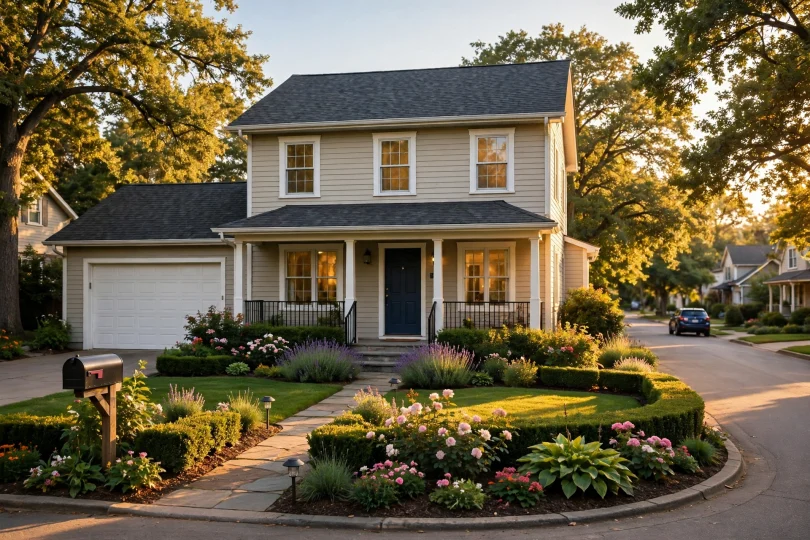

A home’s value is not a fixed number. It moves with its location, its condition, what has been improved, the land it sits on, and the state of the local market. Two similar houses on different streets — or the same house in different market conditions — can be worth very different amounts.
This guide breaks down the main factors that affect home value, so you can judge a property more clearly whether you are buying, selling or simply planning ahead. It builds on our guide on how to determine the value of a property, which covers valuation methods in general. This is general information, not a professional appraisal.
Location and Property Value
Location is usually the single biggest influence on value, and it is the one factor you cannot change after buying.
- Amenities nearby: shops, parks, schools, healthcare and leisure within easy reach tend to support value
- Transport links: reliable routes to employment centres and public transport options matter to most buyers
- Street and outlook: a quiet street, a pleasant view and low traffic generally beat a busy road or a poor outlook
- Neighbourhood reputation: areas buyers perceive as safe, well-kept and stable attract stronger demand
- Future change: planned infrastructure or new development nearby can help or hurt value, depending on what it brings
When comparing properties, location differences often explain price gaps that size and condition alone cannot.
Size, Layout and Condition
Inside the property, buyers pay for usable space and for condition:
- Usable area: total size matters, but usable layout matters more — a well-planned smaller home can beat a larger awkward one
- Room count and layout: bedrooms, bathrooms and flexible living space that suit family life are consistently in demand
- Condition: a well-maintained home with no major repair needs commands more than a similar home needing work
- Age and structure: older homes may carry character, but also maintenance and updating needs that buyers price in
- Natural light and storage: bright rooms and practical storage are small details that influence how buyers feel — and offer
A home that is clean, repaired and easy to live in will almost always value above a neglected equivalent.
Home Improvements and ROI
Not every improvement adds value. Home improvements ROI depends on what you do, what it costs, and what buyers in your area actually want.
Improvements that commonly support value:
- Kitchens and bathrooms: updated, functional spaces in good condition
- Energy efficiency: insulation, efficient heating and good windows, which reduce running costs
- Kerb appeal: exterior presentation, garden care and a welcoming entrance
- Extra usable space: a converted room or extension that adds genuinely useful living area
- Essential repairs: fixing roofs, damp, plumbing and wiring before cosmetic work
Improvements that rarely repay their cost:
- Highly personal or unusual finishes that narrow the buyer pool
- Over-improving beyond the standard of the neighbourhood
- Cosmetic work that hides underlying problems instead of fixing them
The rule is simple: improve to the standard buyers expect in your area, not far beyond it.
Plot and Land Factors
For houses, the plot itself is part of the value:
- Plot size: larger usable plots generally support higher values, especially where land is scarce
- Usable land: flat, well-drained, private garden space counts for more than steep or unusable ground
- Orientation and privacy: sunlight, shelter and privacy from neighbours all influence appeal
- Services and access: mains services, good access and parking add practical value
- Permitted use and zoning: what the land may legally be used for, and whether further building is possible, affects long-term value
A good house on a poor plot will struggle; a modest house on a good plot has room to grow in value.
Local Market Conditions
Even a great property is valued in a market, and markets move:
- Supply and demand: few homes for sale and many buyers push values up; the reverse pulls them down
- Comparable sales: recent sold prices of similar nearby properties anchor what buyers and valuers will accept
- Time on market: homes selling quickly suggest strong demand; homes sitting unsold suggest prices are ahead of the market
- Buyer confidence: when buyers feel secure about jobs and the future, demand and values tend to rise
- Seasonal patterns: activity often rises and falls through the year, which can affect how quickly a home sells and at what price
Our guide on comparative market analysis in real estate explains how agents use comparable sales to turn these conditions into a price range.
What You Can and Cannot Control
Some factors are fixed; others are in your hands:
You cannot change:
- Location, street and neighbourhood
- Plot size and orientation
- The wider market
You can influence:
- Condition and maintenance
- Presentation and kerb appeal
- Choice of improvements
- Timing and pricing strategy when selling
Focus spending and effort on the second list. Chasing the first list — for example, over-improving a home in a weak location — rarely pays.
Frequently Asked Questions
What affects home value the most?
Location usually matters most, followed by size, condition and the state of the local market. No single factor works alone — value is the combination.
Do home improvements always increase value?
No. Improvements that match buyer expectations in your area tend to help; personal, excessive or poorly done work may add little or nothing.
Does a bigger plot always mean a higher value?
Generally a larger usable plot supports value, but unusable, poorly drained or overlooked land adds less than a smaller well-shaped private garden.
How do market conditions change my home’s value?
When demand exceeds supply, comparable sales rise and values follow. When supply exceeds demand, buyers gain negotiating power and values soften.
Should I renovate before selling?
Fix essential repairs and presentation first. Larger renovations only make sense if local comparable sales show buyers will pay for them.
Final Thoughts
Home value comes from a mix of location, size, condition, plot, improvements and market conditions. Understand each factor, spend where buyers actually see value, and price on evidence from comparable sales rather than hope.
Judge the property honestly, improve what you can control, and let the market confirm the rest. Explore more Plots & Land articles.